
Baby Monitor Hacking: Terrifying Real Stories and How to Protect Your Family in 2026
Table of Contents
The night Jamie Summitt woke up to find her baby video monitor pointed directly at her face, she assumed her husband had checked on her remotely from work. But that evening, as the family ate dinner with the baby sleeping upstairs, her smartphone alerted her that the camera was moving again. This time, everyone who uses the app was sitting together at the dinner table. No one was controlling the device.
“The first thing I thought was our app was haunted,” Summitt recalls. But the truth was far more disturbing—a stranger had been watching her family, possibly for months, through their hacked baby monitor.
If you think this sounds like a one-time horror story, think again. Baby monitor hacking incidents are increasing in frequency, with the FBI investigating multiple cases in 2025 alone. As a grandmother who’s watched technology transform nursery safety, I need you to understand something crucial: the device you bought to protect your baby may have become a window for predators and criminals to access your most private family moments.
This isn’t about fear-mongering. It’s about informed protection. Let’s examine real hacking incidents, understand exactly how these breaches happen, and—most importantly—learn how to secure your family against these invasions.
Real Baby Monitor Hacking Stories That Prove This Isn’t Paranoia
The “Bad Guy” Monitor: A Child’s Warning Ignored
A Louisville family thought their young son was going through a “monster phase” when he named their baby monitor “Bad Guy” shortly after they purchased it in January. They dismissed his concerns—until one day when they heard a voice ask their child through the monitor: “How old are you?”
The parents asked a few more questions to confirm what they feared: their monitor had been hacked. Looking back, they realized warning signs had been there—the monitor had randomly panned across the room the day before. “My concern is that this has been going on for a while,” the mother said, “which is nauseating.”
The Washington Couple: Profanities Screamed at a Toddler
In November 2016, a Washington couple were alarmed to discover that a stranger had hacked into their Foscam baby monitor and was spying on their toddler—sometimes screaming profanities at the baby. The hacker was using the night-vision lens controls to follow the parent’s movements, narrating them to the baby: “Oh look, daddy is walking into the room!”
Imagine the violation of knowing a stranger watched your child sleep, observed your private family moments, and had control over a device in your baby’s room—all while you believed you were keeping them safe.
The Austin FBI Investigation: When Changing Passwords Isn’t Enough
The FBI investigated a case in Austin, Texas after a family called police regarding their hacked Wi-Fi baby monitor. The family had done everything right—they followed common advice for safe online activity and changed the factory password immediately. Yet a criminal still hacked the device.
At first, the camera only blinked, indicating someone had logged in. Then the monitor started moving left and right, confirming someone was actively spying on the child. The parents instantly disconnected the device from the internet and called police, who reached out to the FBI.
This case demonstrates a chilling reality: even security-conscious parents can become victims.
The Seattle Incident: “I Love You” From a Stranger
A Seattle couple’s 3-year-old daughter called out to her mother: “Mommy, mommy. The voice is talking to me.” When Jo went upstairs to investigate, her daughter said, “The man said, ‘Jaden, I love you.'”
The Fredi video baby monitor, manufactured by Chinese company Shenzhen Jinbaixun Technology Co., Ltd., had been remotely accessed. The parents noticed the camera had changed its focus from their baby’s crib to the room itself without their input. They informed local police and the FBI before unplugging the camera.
The Electronic Frontier Foundation had previously warned about Fredi monitors: “There is a lot of anecdotal evidence out there demonstrating these baby cameras are regularly and routinely hacked.”
The Florida Mother: “Kills Kill Kill Kill”
Candace Manker of Crescent City, Florida purchased a baby monitor and started hearing noises and different voices she couldn’t quite make out. She initially dismissed these as perhaps her kids or just her imagination.
That changed when she heard a banging noise on her baby monitor that wasn’t her six-year-old son, followed by a woman’s voice speaking the words: “Kills kill kill kill.”
Manker believes the monitor was hacked. When she checked her router, there was an IP address connection she didn’t recognize—despite never connecting her monitor to WiFi. This raises the terrifying possibility that some monitors may have hidden connectivity features parents don’t know about.
The 2025 Owlet Incident: “Unplug That S*** Immediately”
Kelsey Rose received an Owlet Cam 1 as a baby registry gift in 2024. In March 2025, she discovered someone had hacked into their WiFi-enabled monitor. After the incident went viral on TikTok, she advised parents: “Unplug that s*** immediately.”
Comments flooded in from other parents sharing their trauma. One mother detailed: “This happened to us too!! We heard a man’s voice on ours one night. Threw it away immediately.” Another said: “Someone hacked our non-wifi baby monitor as well. It was a neighbor with a drone. We never figured out who it was. Nothing is safe.”
The volume of responses revealed what many suspected: baby monitor hacking is far more common than manufacturers admit.
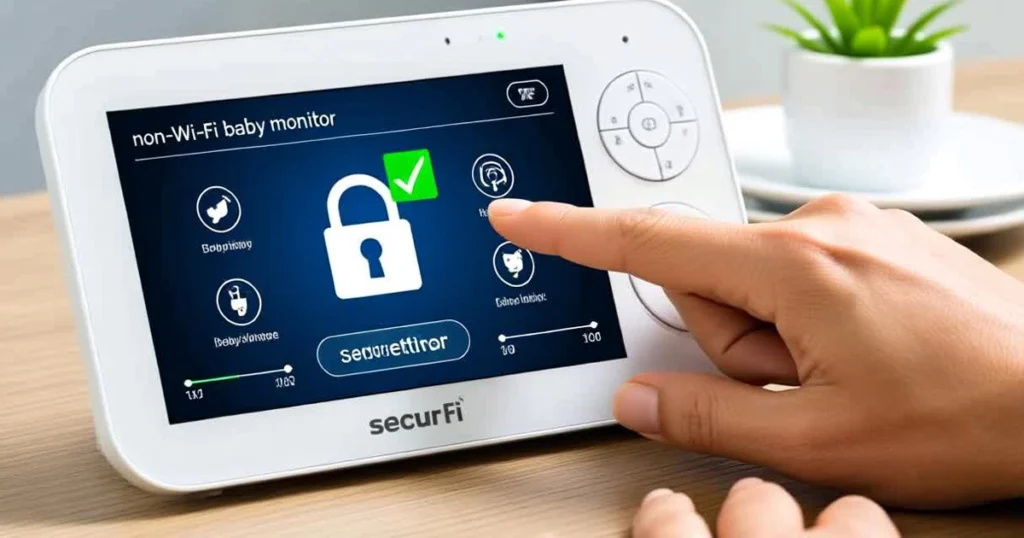
How Baby Monitor Hacking Actually Works
Understanding how these breaches occur is the first step toward prevention. There are actually two primary methods hackers use, depending on your monitor type.
Method 1: Hijacking Analog or Digital Radio Frequencies
If you have an old-school analog baby monitor or even some digital models, a hacker can hijack your frequency like it’s a CB radio or walkie-talkie. Then he can do whatever he wants—growl, curse, tell scary stories. These criminals are seriously demented.
The “dumbness” of old-fashioned monitors is paradoxically their saving grace: the older-tech equipment requires specialized knowledge and parts that are harder to obtain. That said, determined hackers with radio frequency knowledge can still access these systems.
Method 2: Exploiting Internet-Connected Smart Monitors
The web-savvy hacker has multiple avenues of attack with WiFi-enabled monitors. Without getting overly technical, hackers can exploit your WiFi network, or they can hack into a particular WiFi-enabled device.
Network Hacking: It doesn’t really matter what device because once a hacker slips inside your network, he has carte blanche on any gadget in your home communicating over WiFi, baby monitors included. Unless you’re using a network password like “1234,” this route may be challenging—but not impossible.
Device-Specific Hacking: Most predators know they’re not going to breeze past a strong password and a router using WPA2 or WPA3 encryption, so they opt for an easier route: hacking devices directly. Cheapo smart products are notorious for buggy software and vulnerable firmware that any hacker with intermediate skills can exploit.
Even high-end products with strong security features become vulnerable if you don’t reset the default password. Any hacker can scan your network, zero in on the default port for your baby monitor (this information is usually available online), and punch in the default credentials to gain access.
The Credential Stuffing Technique
A hacker named SydeFX found 300 vulnerable Nest cams in under 10 minutes. His trick? Credential stuffing—using previously exposed username and password combinations on fresh targets.
If you’ve ever reused a password across multiple accounts, and one of those accounts was breached in a data leak, hackers can try that same username/password combination on your baby monitor. Websites like haveibeenpwned.com show which of your passwords have been exposed in previous breaches.
Why Hackers Target Baby Monitors
You might wonder: why would anyone target a baby monitor? The motivations are disturbingly varied:
Direct Voyeurism
Some hackers are prurient criminals who specifically seek access to children. While cybersecurity expert Tod Beardsley notes that “most hackers are not sitting around watching babies sleep—it’s not super high-value,” the cases we’ve documented prove that predatory hackers do exist and specifically target families.
Network Gateway Access
The hacker could use a baby monitor to gain access to a home’s network to get information off computers, possibly for financial gain. Your baby monitor becomes the entry point for accessing your banking information, work files, social security numbers, and other sensitive data stored on devices connected to your home network.
Botnet Recruitment
In some cases, hackers are using your device to help bolster their efforts by enlisting it in DDOS attacks. A DDOS attack is when a hacker overwhelms a server with unique requests in order to disable it. Your hacked baby monitor becomes an unwitting soldier in a cyber army attacking corporate or government systems.
Extortion and Blackmail
Having gained access to your most private family moments, some hackers attempt to extort money by threatening to release footage or continue surveillance unless paid.
Signs Your Baby Monitor Has Been Hacked
Now that you know baby monitors can be hacked, below are signs that your baby monitor might be compromised:
1. Changes in Behavior
If the camera, audio, or functions of the baby monitor change suddenly, it can mean someone else has access to your device. The camera panning without your control is a major red flag.
2. Unrecognizable Devices on Your Network
If you’re using an internet-enabled baby monitor and notice any unrecognizable devices connected to your internet network, it could mean that hackers have gained access and that your baby monitor is in jeopardy.
3. Unusual Noises or Voices
Strange sounds, voices, music, or talking that you don’t recognize coming from the monitor—especially when no one in your household is using the two-way communication feature.
4. Settings Changed Without Your Input
If volume levels, camera angles, motion detection settings, or other features change without your authorization, someone else may be controlling your device.
5. LED Behavior Changes
Many cameras have indicator lights. If these lights behave strangely—turning on when the monitor should be off, blinking unexpectedly, or changing colors—it could indicate unauthorized access.
6. Locked Out of Your Own Account
If you suddenly can’t log into your baby monitor account or find your password doesn’t work despite being correct, a hacker may have changed your credentials.
7. Battery Draining Faster Than Normal
Unusual battery drain on the parent unit or the camera itself could indicate background processes running that you didn’t initiate.
What to Do If Your Baby Monitor Has Been Hacked
If you suspect your baby monitor has been compromised, act immediately:
Immediate Actions
1. Unplug the Monitor Immediately Disconnect power and, if applicable, disable WiFi connectivity. Do not wait or investigate further while the device remains active.
2. Change All Passwords Remember to change potentially compromised passwords, especially those on your baby monitor’s app. Choose a strong, complex password—never reuse it for different accounts. Make sure you select the option that logs you out of the account on all devices (including the potential hacker’s). You can then log back in using the new password.
3. Change Your WiFi Password It’s also a good idea to change your network’s password. By changing your WiFi password, you’ll cut off any unauthorized access. Remember to choose a strong and unique password—the more complex, the better.
4. Report the Incident Consider reporting the incident to local police and the FBI’s Internet Crime Complaint Center (IC3). If your baby monitor was hacked, chances are you’re not the only one. Reporting can help prevent similar incidents in the future and perhaps catch the person responsible.
5. Contact the Manufacturer You should also let the manufacturer’s customer support know about the incident so they can investigate. Informing them may help the manufacturer address security vulnerabilities to prevent similar incidents in the future.
Long-Term Actions
6. Review All Connected Devices Check every device on your home network for signs of compromise. If hackers gained network access, they may have accessed multiple devices.
7. Consider Replacing Your Monitor If your baby monitor’s been hacked, seriously consider investing in a different device with advanced security features—or better yet, one that doesn’t connect to the internet at all.
For families who want to eliminate internet-based vulnerabilities entirely, explore our comprehensive guide to the best non-WiFi baby monitor options that provide excellent surveillance without the hacking risks.
How to Prevent Baby Monitor Hacking: Essential Security Steps
While completely preventing hacking is challenging, you can dramatically improve your baby monitor security with these steps:
For All WiFi-Enabled Monitors
1. Change Default Passwords Immediately This is the single most important step. Never, ever use the default password that came with your device. Choose a password with at least 12 characters including uppercase, lowercase, numbers, and symbols.
2. Enable Two-Factor Authentication If your baby monitor’s app or account supports two-factor authentication, enable it for an added layer of security. This means even if someone steals your password, they can’t access your account without the second verification code.
3. Keep Firmware Updated Some baby monitors get firmware and software upgrades to keep up with changing security issues. Keep your device updated so that any known vulnerabilities can’t be exploited by hackers. Enable automatic updates if available.
4. Use a Strong, Unique WiFi Password Check out guides to top routers for best security. Your home network is your first line of defense—make sure it’s protected with WPA2 or WPA3 encryption and a complex password.
5. Create a Separate Guest Network Many modern routers allow you to create a separate guest network. Put your baby monitor and other IoT devices on this guest network, isolated from the main network where your computers and phones store sensitive data.
6. Disable Remote Access When Home If you don’t need to check on your baby remotely, turn off internet access features and use only local network connections. This dramatically reduces vulnerability.
7. Turn Off When Not in Use This simple step can significantly reduce the window of opportunity for potential hackers. When someone is actively in the room with your baby, power down the monitor.
8. Check Connected Devices Regularly Log into your router periodically to see what devices are connected. Investigate anything you don’t recognize.
The Ultimate Solution: Eliminate Internet Connectivity
If you want to remove predators from the equation entirely, pick up a non-WiFi digital device, like some VTech models. You have a parent unit and a baby unit. The two speak to each other over constantly changing digital frequencies, not WiFi. No hacker on the planet will bother you this way.
Some non-WiFi baby monitors like the VTech VM321 use frequency-hopping spread spectrum (FHSS) technology that switches frequencies by the millisecond, rendering them virtually hack-proof.
The Shocking Truth About “It Can’t Happen to Me”
Jamie Summitt, the South Carolina mom whose story opened this article, expressed frustration with the number of people who said she should have known about the risks. “I would have never, ever bought something if I thought it was this easy of a security risk,” she told NPR. “When I was making my baby registry, nobody warned me—no other mom said anything. It’s not common knowledge.”
That’s exactly why I’m writing this article. Too many parents discover these vulnerabilities only after becoming victims. The companies manufacturing these devices prioritize getting products to market over implementing robust security. As one expert noted, there are a lot of companies building IoT devices and getting them out to market first, so security can—and does—take a back seat.
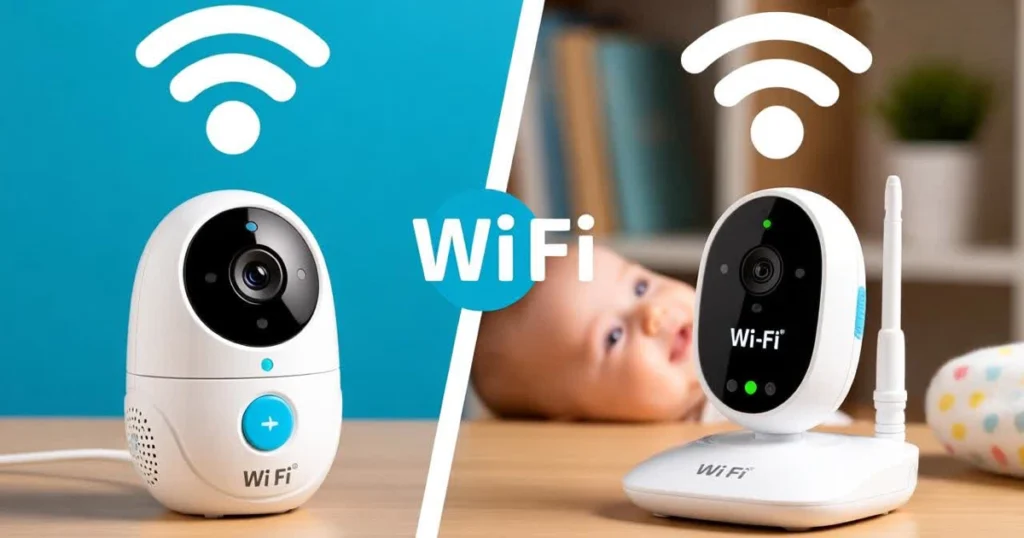
Making the Safer Choice for Your Family
Can baby monitor hacking be completely prevented? No technology is 100% immune. But you can dramatically reduce your risk—or eliminate it entirely by choosing monitors that don’t connect to the internet.
The peace of mind knowing that no stranger can access your baby’s video feed, that no hacker can watch your private family moments, that your baby monitor hasn’t become a gateway for criminals to access your financial information—that peace of mind is priceless.
For families ready to prioritize security over convenience, check our comprehensive review of the Best Baby Monitor No WiFi to find secure alternatives that provide excellent monitoring capabilities without the vulnerabilities inherent in internet-connected devices.
Your baby’s safety includes protecting them from threats you can’t see. A hacked baby monitor doesn’t just compromise privacy—it puts your child at risk from predators who should never have access to your home. Take action today to secure your monitor, or make the switch to a closed-system alternative that removes internet-based vulnerabilities entirely.
The stories in this article aren’t isolated incidents. They’re warnings. Will you heed them before your family becomes another statistic?
About the Author
Gran Aggie is a grandmother, parenting blogger, and baby product safety advocate with decades of experience. Originally from Scotland, married to an Australian, and now living in Chicago, she combines personal parenting experience with rigorous cybersecurity research to help modern families navigate technology safely. After extensively researching baby monitor hacking incidents, FBI investigations, and expert security recommendations, Gran Aggie provides honest, actionable guidance to help parents protect their families from digital threats. Her mission is ensuring every parent understands the real risks of internet-connected nursery devices and knows how to defend against them. She believes informed parents make safer choices—and that some conveniences simply aren’t worth the vulnerability they create.