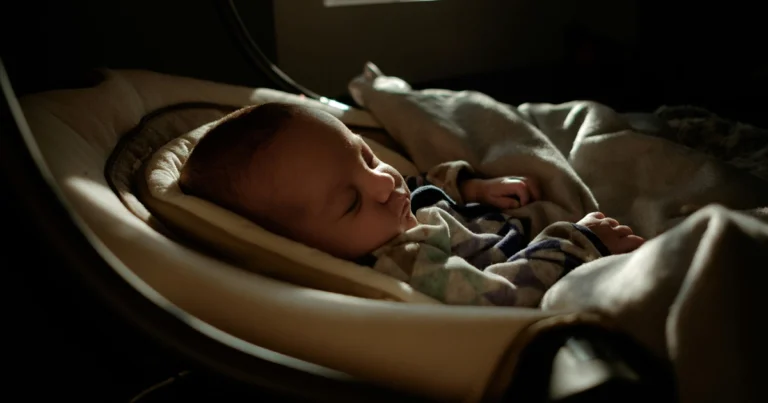
Baby Cribs: Best Tips in 2025
Table of Contents
Choosing the perfect baby crib is one of the most important decisions you’ll make as a new parent. From getting your little one to sleep peacefully to ensuring their safety and comfort, cribs play a crucial role in your baby’s early development. As a grandmother of two and someone who’s spent years researching baby products, I’ve learned that the right crib setup can make all the difference in your family’s sleep routine.
In this comprehensive guide, we’ll explore everything you need to know about baby cribs – from training techniques to safety considerations, sizing guidelines to the best purchasing options. Whether you’re a first-time parent or looking to upgrade your nursery, this article will provide you with practical, tested advice to help you make informed decisions about your baby’s sleep sanctuary.
How to Get Baby to Sleep in Crib
Getting your baby comfortable in their crib can feel like an uphill battle, but with patience and the right approach, it’s absolutely achievable. The key is creating positive associations with the crib from day one.
Start by making the crib environment as comfortable as possible. Use a firm, well-fitting mattress with a fitted sheet, and ensure the room temperature stays between 68-70°F. Many parents find success with gradual transitions – begin with daytime naps in the crib before attempting nighttime sleep.
Establish a consistent bedtime routine that signals sleep time. This might include a warm bath, gentle feeding, and quiet songs or stories near the crib. When placing your baby down, try the “put down awake” method – this helps them learn to self-soothe rather than relying on being rocked to sleep.
If your baby fusses when first placed in the crib, give them a few minutes to settle. Some crying is normal as they adjust to the new sleeping environment. However, always trust your instincts – if something feels wrong, don’t hesitate to check on your little one.
Consider using white noise machines or soft lullabies to create a soothing atmosphere. These consistent sounds can help mask household noises that might wake a sleeping baby.
How Long Do Babies Sleep in Cribs
Most babies will use their cribs from birth until they’re ready to transition to a toddler bed, typically between 18 months and 3 years old. The exact timing depends on your child’s size, development, and climbing abilities rather than a specific age milestone.
During the first few months, newborns sleep 14-17 hours per day in short bursts of 2-4 hours. As they grow, their sleep patterns consolidate into longer nighttime stretches and more predictable nap schedules. By 6 months, many babies can sleep through the night in their cribs for 10-12 hours.
The American Academy of Pediatrics recommends that babies sleep in the same room as parents (but not the same bed) for at least the first 6 months, ideally up to 1 year. This doesn’t mean the crib needs to be in your bedroom – you might use a bassinet initially and then transition to the crib in their own room.
Signs it’s time to transition from the crib include climbing out attempts, reaching the height limit (usually when the mattress is at its lowest setting and the crib rail is less than three-quarters of your child’s height), or your toddler expressing interest in a “big kid” bed.
When to Move Baby to Crib in Own Room
The transition to a crib in baby’s own room is a personal decision that varies among families. While room-sharing is recommended for the first 6-12 months, many families successfully transition earlier or later based on their specific circumstances.
Consider making the move when your baby is consistently sleeping for longer stretches (usually around 3-6 months) and when family members are getting better rest. Some families find that room-sharing beyond 4-6 months can actually disrupt everyone’s sleep, as babies become more aware of their surroundings and parents respond to every small sound.

Before making the transition, ensure the nursery is properly prepared. Install a reliable baby monitor, baby-proof the room, and maintain appropriate temperature and lighting conditions. Make the change gradually by starting with naps in the new room before transitioning nighttime sleep.
Trust your family’s needs and don’t feel pressured by what others are doing. Some families room-share for a full year, while others transition at 3-4 months – both approaches can work well when done thoughtfully.
How Big Are Baby Cribs
Standard baby cribs in the United States must meet specific size requirements set by the Consumer Product Safety Commission. The interior dimensions are standardized at approximately 28 inches wide by 52¼ inches long, with mattress thickness not exceeding 6 inches.
These standardized dimensions ensure that crib mattresses and bedding will fit properly regardless of the manufacturer. The uniform sizing also helps maintain safety standards, as gaps between the mattress and crib sides must be minimal to prevent entrapment.
Crib height varies depending on the mattress position. Most cribs have adjustable mattress heights with 2-4 different levels. The highest setting (typically used for newborns) places the mattress about 9 inches from the top rail, while the lowest setting (for older babies and toddlers) sits about 26 inches from the top rail.
When considering nursery space, plan for the crib plus clearance room. You’ll want at least 24 inches on one side for easy access and diaper changes, and enough space to open the nursery door fully without hitting the crib.
Can Baby Sleep in Crib with Bed Cover
The short answer is no – babies should not sleep with loose bedding, including bed covers, comforters, or blankets. The American Academy of Pediatrics strongly recommends keeping cribs bare for the first 12 months to reduce the risk of Sudden Infant Death Syndrome (SIDS) and accidental suffocation.
Instead of traditional blankets, use sleep sacks or wearable blankets. These provide warmth without the safety risks associated with loose bedding. Sleep sacks come in various weights and materials to suit different seasons and room temperatures.
If you’re concerned about your baby getting cold, dress them in appropriate sleepwear for the room temperature. A good rule of thumb is to dress your baby in one more layer than you’d wear to be comfortable in the same environment.
Once your child reaches 12 months, you can gradually introduce a small, lightweight blanket if desired. However, many families continue using sleep sacks well into the toddler years for continued safety and convenience.
Should I Put Baby Crib Next to Window or Door
Neither location is ideal for optimal safety and comfort. Cribs should be positioned away from both windows and doors when possible, as each location presents unique challenges.
Windows pose several risks including temperature fluctuations from drafts, direct sunlight that can overheat your baby, and potential safety hazards from window treatments with cords. If you must place the crib near a window, ensure it’s at least 3 feet away, install proper window coverings, and consider blackout curtains to control light and temperature.
Doors can create noise disruptions from hallway traffic and make it difficult to enter the room quietly for nighttime checks. However, if space constraints require positioning near a door, ensure the door can open fully without hitting the crib and that the crib doesn’t block emergency exits.
The ideal crib placement is along an interior wall, away from heating/cooling vents, windows, and high-traffic areas. This positioning provides the most stable temperature environment and reduces sleep disruptions from external noise and light.
Where Can I Buy a Cradle Boat Baby Crib
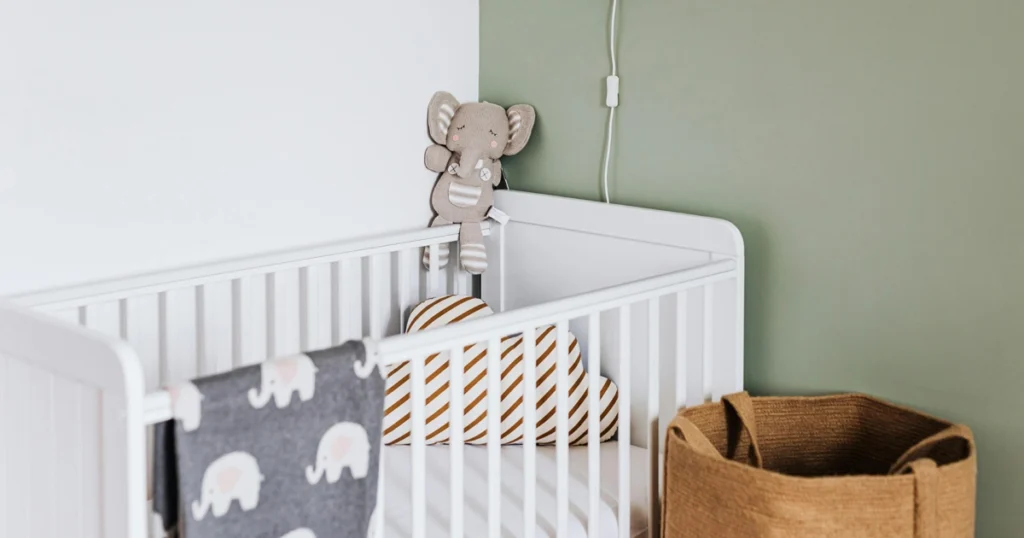
Specialty cradle boat cribs, also known as nautical or boat-shaped cribs, are available through several channels, though they’re less common than traditional rectangular cribs.
High-end baby boutiques often carry unique crib designs, including boat-shaped options. These stores typically offer custom ordering services if they don’t have the specific style in stock.Specialized online children’s furniture stores also offer a variety of boat bed designs.
Custom furniture makers and woodworking artisans can create beautiful boat cradles, though this option requires more time and typically costs more than mass-produced alternatives. Etsy and similar craft marketplaces feature many talented artisans who specialize in unique nursery furniture.
When shopping for specialty cribs, always verify that they meet current safety standards. Some decorative cribs may prioritize aesthetics over safety compliance, so research thoroughly and ask for safety certifications before purchasing.
Who Makes the Highest Rated Baby Crib
Several manufacturers consistently receive top ratings for safety, durability, and design. Based on extensive testing and parent reviews, these brands stand out in the crib market:
Babyletto earns praise for modern designs and eco-friendly materials. Their cribs often convert to toddler beds and feature non-toxic finishes. The Hudson and Modo cribs are particularly popular among style-conscious parents.
DaVinci offers excellent value with solid construction and safety features. Their Jenny Lind and Kalani collections have earned numerous awards and consistently high parent ratings for durability and ease of assembly.
IKEA provides budget-friendly options without compromising safety. The Sundvik and Gulliver models meet all safety standards while offering clean, simple designs that work in various nursery styles.
Pottery Barn Kids combines style with functionality in their premium crib collections. While more expensive, their cribs often feature superior craftsmanship and timeless designs that last through multiple children.
Always research current recalls and safety ratings before making your final decision, as manufacturer performance can change over time.
How to Train Baby to Sleep in Crib
Crib training requires patience, consistency, and the right techniques for your family’s needs. Start the process when your baby is developmentally ready, typically around 3-4 months old, though some families begin earlier.
Gradual Transition Method: Begin with short periods in the crib during awake time so your baby becomes familiar with the space. Progress to daytime naps before attempting nighttime sleep. This method works well for sensitive babies who need more time to adjust.
Consistent Routine: Develop and maintain a predictable bedtime routine that signals sleep time. This might include dimming lights, changing into pajamas, feeding, and reading a short story. Consistency helps your baby understand when it’s time to sleep.

Self-Soothing Techniques: Place your baby in the crib while drowsy but still awake. This teaches them to fall asleep independently rather than relying on rocking, feeding, or other external soothing methods.
Progressive Comfort: If your baby cries when placed in the crib, you can try graduated response methods. Check on them at increasing intervals, offering brief comfort without picking them up. Some families prefer gentler approaches, while others find success with more structured methods.
Remember that every baby is different, and what works for one family may not work for another. Stay flexible and adjust your approach based on your baby’s temperament and your family’s needs.
Conclusion
Choosing and setting up the perfect crib environment for your baby involves many considerations, from safety standards to sleep training techniques. Remember that the best crib setup is one that works for your family’s specific needs and circumstances.
Focus on safety first – ensure your crib meets current standards, maintain a bare sleep surface for the first year, and position the crib away from potential hazards. From there, consider your space constraints, budget, and aesthetic preferences to find the perfect match.
Most importantly, be patient with both yourself and your baby as you navigate this journey. Every family’s path to successful crib sleeping looks different, and with time and consistency, you’ll find the approach that works best for your little one.
Sweet dreams await in that perfect crib setup – trust the process, stay consistent, and remember that this phase of sleepless nights won’t last forever!