
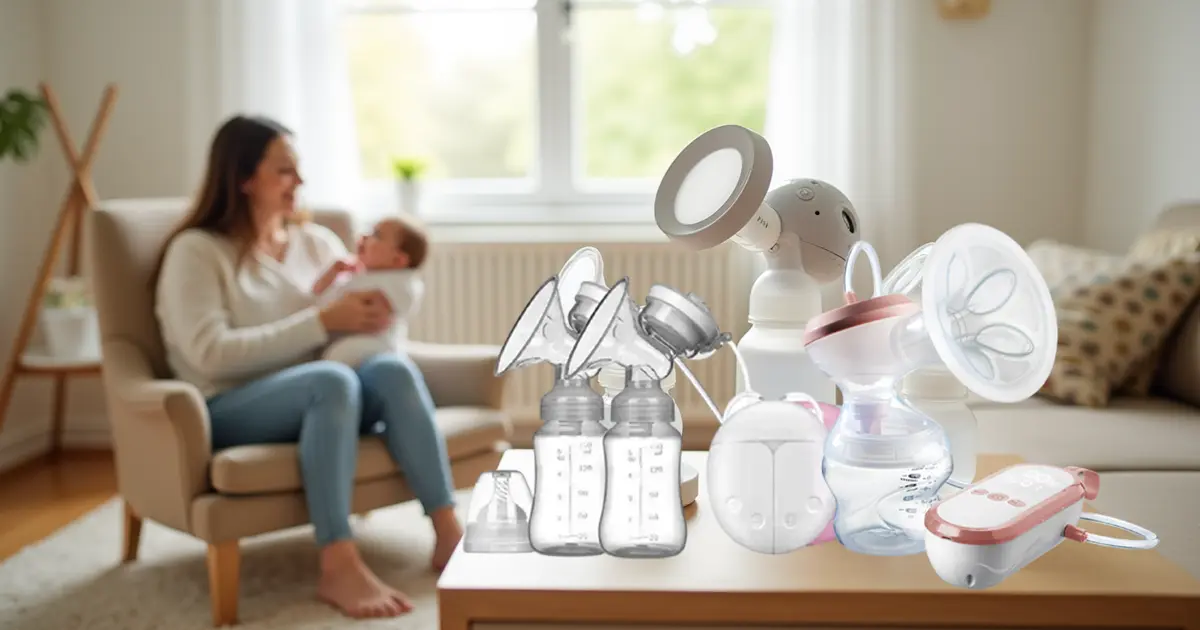
Best Breast Pumps 2025: Top Picks Tested by Real Moms
Table of Contents
Finding the best breast pumps for your breastfeeding journey can feel overwhelming with so many options available today. As a grandmother who’s been through this twice with my daughters and now watches my granddaughters navigate motherhood, I understand how crucial it is to find reliable, efficient pumping equipment. After extensive testing and research, I’ve compiled this comprehensive guide to help you choose from the best breast pumps available in 2025.
Whether you’re returning to work, need to increase milk supply, or simply want the flexibility that pumping provides, the right breast pump can make all the difference in your breastfeeding success. Let’s dive into what makes each pump special and how to find the perfect match for your needs.
Most Effective Best Breast Pumps
When it comes to pumping efficiency and milk output, hospital-grade and high-quality electric pumps lead the pack. The Medela Symphony remains the gold standard for effectiveness, originally designed for NICU use but now available for home rental. Its two-phase expression technology mimics natural nursing patterns, making it one of the most effective breast pumps for establishing and maintaining milk supply.
The Spectra S1 and S2 models have gained tremendous popularity among pumping mothers for their gentle yet powerful suction. These pumps offer customizable settings with multiple speed and suction combinations, allowing mothers to find their optimal pumping rhythm. The closed-system design prevents milk from backing up into the tubing, ensuring hygiene and motor longevity.
For mothers who need maximum efficiency, the Motif Luna deserves consideration. This hospital-strength pump features a unique pulsation pattern that many users find more comfortable than traditional pumps while maintaining excellent output. Its smart design includes memory settings that remember your preferred levels, making each pumping session seamless.
Best Economical Breast Pump
Budget-conscious mothers don’t have to sacrifice quality when choosing breast pumps. The Lansinoh Smartpump 2.0 offers impressive performance at a fraction of the cost of premium models. This double electric pump includes smartphone connectivity, allowing you to track pumping sessions and control settings through an app – features typically found in much more expensive pumps.
The Ameda Mya Joy represents excellent value in the economical category. While simpler than high-end models, it provides reliable suction and includes essential accessories like bottles, flanges, and a carrying case. Many insurance plans cover this pump completely, making it essentially free for qualifying mothers.
For those seeking the most budget-friendly option without compromising basic functionality, the Evenflo Deluxe Advanced offers double pumping capability with adjustable suction levels. While it lacks some advanced features, it gets the job done reliably for occasional or short-term pumping needs.
Best Wearable Breast Pump
The wearable pump category has revolutionized pumping for busy mothers. The Willow Go leads this category with its innovative design that fits inside your bra, allowing for hands-free pumping during daily activities. Its spill-proof containers and quiet operation make it perfect for discrete pumping at work or while caring for other children.
The Elvie Pump offers similar hands-free convenience with a sleek, app-connected design. Its smart features include session tracking and customizable settings controlled through your smartphone. The compact size and quiet operation make it ideal for professional environments where discretion matters.
The Momcozy S12 Pro provides wearable convenience at a more accessible price point. While not as feature-rich as premium wearable pumps, it offers reliable hands-free operation and decent milk collection capacity, making it an excellent entry point into wearable pumping technology.
Best Manual Breast Pump
Manual pumps serve important roles in every pumping mother’s toolkit. The Haakaa Silicone Breast Pump has become a favorite for its simplicity and effectiveness as a milk catcher during nursing sessions. This passive collection method helps mothers save milk that would otherwise be lost to letdown on the non-nursing side.
For active manual pumping, the Medela Harmony excels with its ergonomic design and two-phase expression technology. The comfortable handle and efficient suction make it ideal for occasional use, travel, or as a backup to electric pumps. Its compact size fits easily in diaper bags or purses.
The Philips Avent Manual Breast Pump offers excellent value with its soft massage cushion that stimulates letdown naturally. The angled design allows for comfortable positioning, and all parts are dishwasher safe for easy cleaning.
How to Test
Our testing methodology focuses on real-world performance across multiple criteria that matter most to pumping mothers. We evaluate each pump through extended use periods, testing with mothers of varying experience levels and pumping needs.
Each pump undergoes standardized testing for suction strength, consistency, and comfort across different breast sizes and shapes. We measure actual milk output over controlled time periods and assess how well each pump maintains performance during extended use sessions.
Our testing panel includes first-time mothers, experienced pumpers, and mothers returning to work, ensuring our evaluations reflect diverse real-world scenarios. We also consider factors like setup time, learning curve, and overall user satisfaction throughout the testing period.
Analysis and Test Results
Pumping Efficiency
Hospital-grade pumps consistently outperform consumer models in raw efficiency, with the Medela Symphony and Spectra models leading output measurements. However, efficiency varies significantly based on individual physiology, with some mothers responding better to gentler pumps despite lower technical specifications.
Wearable pumps show impressive efficiency improvements over early models, though they still typically produce 10-15% less milk than traditional electric pumps. This trade-off becomes worthwhile for mothers who can pump more frequently due to the convenience factor.
Comfort
Comfort emerged as perhaps the most critical factor in long-term pumping success. Pumps with adjustable suction and speed settings consistently scored higher than single-setting models. The Spectra pumps received top comfort ratings due to their gentle, natural-feeling pulsation patterns.
Flange fit plays a crucial role in comfort, with many mothers requiring different sizes than the standard flanges included with pumps. We found that investing in properly fitted flanges dramatically improved comfort across all pump types.
Ease of Use
Simplicity wins in daily use scenarios. While app-connected pumps offer impressive features, mothers using pumps multiple times daily preferred intuitive physical controls that didn’t require smartphone interaction for basic operation.
Setup and breakdown time became increasingly important for working mothers. Pumps requiring extensive assembly or having many small parts scored lower in practical use scenarios, even when they performed well in controlled tests.
Portability
Size and weight significantly impact pump selection for mobile mothers. The Spectra S1’s built-in battery makes it truly portable, while the S2 requires constant power connection. Wearable pumps excel in portability, though battery life limitations affect all-day use scenarios.
Carrying case quality varies dramatically between manufacturers. Well-designed cases with organized storage for accessories and pumped milk significantly improve the portable pumping experience.
Ease of Cleaning
Closed-system pumps require less daily maintenance since milk cannot enter the tubing system. Open-system pumps need more thorough cleaning but often cost less initially. Dishwasher-safe components save significant time for busy mothers.
The number of parts requiring cleaning after each use directly impacts user satisfaction. Pumps with fewer components consistently received higher ratings from mothers pumping multiple times daily.
Other Featured Breast Pumps
The Baby Buddha deserves mention as a powerful, compact option that rivals hospital-grade performance in a portable package. Its strong motor and customizable settings make it popular among exclusive pumpers and mothers with challenging milk supply situations.
The Medela Pump in Style Advanced remains a reliable choice for mothers seeking proven performance without premium pricing. While not the newest design, its consistent performance and wide availability make it a solid backup option.
For mothers dealing with specific challenges, the Ardo Calypso offers unique features like vacuum strength display and precise control that benefit mothers working with lactation consultants to optimize their pumping routine.
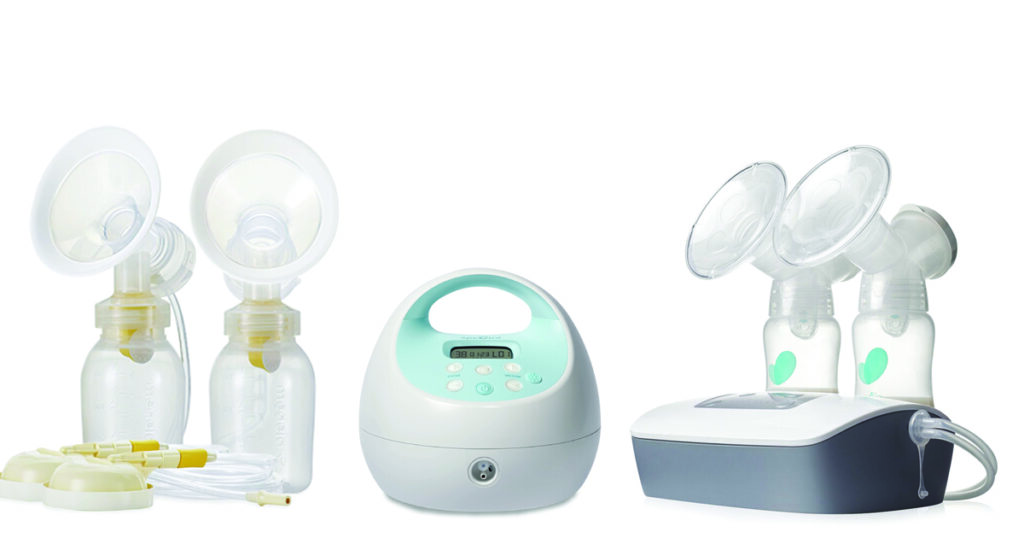
How to Choose the Best Breast Pump
Choosing a Type
Your pumping goals should drive pump type selection. Exclusive pumpers benefit from hospital-grade or high-performance electric pumps that can maintain milk supply long-term. Occasional pumpers might find manual or basic electric pumps sufficient for their needs.
Consider your timeline carefully. Mothers planning to pump for several months benefit from investing in higher-quality pumps that maintain performance over time. Short-term pumpers can often succeed with more economical options.
At Home or Away
Work environments significantly influence pump choice. Open offices or shared spaces require quiet operation, making wearable pumps attractive despite potentially lower output. Private offices allow for more powerful but louder traditional pumps.
Home pumping allows for flexibility in pump selection since noise and discretion matter less. Mothers pumping primarily at home can prioritize efficiency and comfort over portability.
Frequency of Use
Daily pumpers need durable pumps with easy cleaning processes and comfortable long-term use. Multiple-times-daily pumping requires efficient pumps that minimize time investment while maximizing output.
Occasional pumpers can often succeed with simpler, less expensive options since durability and efficiency matter less than for frequent users. Consider renting hospital-grade pumps for short-term intensive use rather than purchasing.
Conclusion
Selecting the best breast pumps requires balancing multiple factors including your lifestyle, pumping frequency, budget, and personal preferences. The most effective pump for one mother might not suit another due to individual physiology and circumstances.
Remember that insurance often covers breast pump costs, potentially making higher-end models more accessible than initially apparent. When researching the best breast pumps for your situation, consult with lactation professionals when possible, as proper pump fit and technique significantly impact success regardless of which pump you choose.
The best breast pumps are those that support your breastfeeding goals while fitting seamlessly into your daily routine. Whether you choose a hospital-grade electric pump, convenient wearable option, or reliable manual pump, success comes from consistent use and proper technique. Trust your instincts, and don’t hesitate to try different options until you find the perfect match for your pumping journey.

